
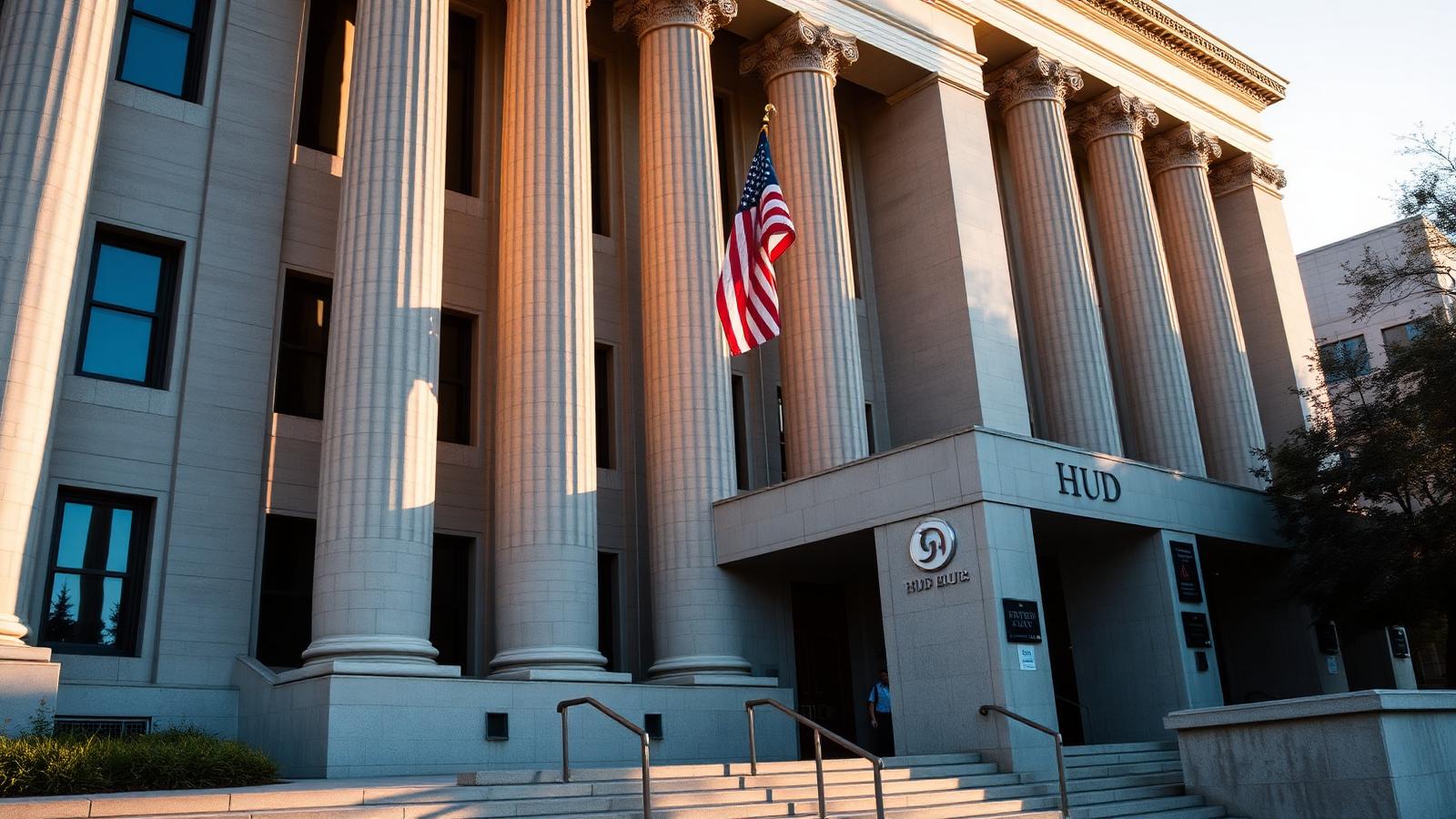
RAD and Section 18 aren't static programs — they're living regulatory frameworks that change. HUD issues new PIH Notices, updates RAD Notice requirements, revises Section 18 application thresholds, adjusts Streamlined Voluntary Conversion rules, and modifies financing guidance. A PHA that read the RAD program rules two years ago is working with outdated information. Which version of the RAD Notice governs your application, what the current Section 18 obsolescence standard requires, how recent HUD guidance shapes your financing structure — these regulatory details matter. Getting the program mechanics wrong doesn't just delay your project. It can kill it.
TFG advises PHAs on HUD's repositioning regulatory programs — primarily RAD and Section 18, but also Streamlined Voluntary Conversion, mixed-finance authorities, and the interplay between programs when a PHA repositions multiple properties under different authorities at the same time. We track the regulatory changes. We know which HUD field offices interpret the rules differently. We know where current guidance creates opportunities and where it sets traps. That's what comes from a firm working inside these programs every day — practical knowledge of how the programs actually function right now, not a summary of the Federal Register.
The Programs at a Glance
RAD (Rental Assistance Demonstration)
Converts public housing to the Section 8 platform — typically PBRA or PBV. Unlocks private financing for rehabilitation. Preserves resident tenancy with strong protections. The workhorse program for PHAs that want to fix what they have rather than dispose of it. For a detailed comparison of RAD mechanics and eligibility, see our guide: RAD vs. Section 18: Which Repositioning Path Is Right for Your PHA?.
Section 18 (Demolition and Disposition)
Removes obsolete properties from the public housing inventory. Requires HUD findings of obsolescence, excessive cost to rehabilitate, or insufficient demand. Triggers resident relocation and replacement housing obligations. The right tool when a building genuinely can't be saved — or when the underlying site has higher and better use that justifies disposition. For detailed Section 18 eligibility criteria and process, see our guide: Public Housing Repositioning Options.
Why the Regulatory Details Matter
RAD Notice revisions change what's required in the Conversion Plan, how financing is structured, and what resident protections apply. A RAD application prepared under outdated guidance gets rejected — or, more commonly, it gets bounced back with conditions that require the financing structure to be reworked. That rework cascades through the capital stack. Tax credit pricing assumptions shift. Lender commitments expire. Closing dates slip. The cost of working from the wrong version of the Notice is rarely just the time it takes to refile.
Section 18 obsolescence findings have specific evidentiary standards, and those standards get applied differently in practice across HUD field offices. An application with documentation that's sufficient in one region may be kicked back in another for additional support on the obsolescence finding, the de minimis cost analysis, or the replacement housing plan. Knowing which field office you're submitting to — and what they expect — is part of the application strategy, not an afterthought.
Streamlined Voluntary Conversion is newer and increasingly relevant for smaller PHAs that want a simpler path than full RAD. SVC has its own eligibility constraints and program limitations that aren't always well understood — particularly around portfolio size, the treatment of remaining ACC obligations, and the long-term affordability covenants that attach to converted units. SVC done well is genuinely simpler than RAD. SVC done without understanding the constraints creates problems that surface after the conversion is final and harder to unwind.
When a PHA repositions multiple properties using different programs at the same time — some RAD, some Section 18, some SVC — the regulatory interplay creates coordination challenges that go beyond any single application. Subsidy calculations interact. ACC amendments have to be sequenced. Resident notification timelines overlap. HUD approval dependencies stack across programs. This is where most PHAs need outside expertise — not because the individual programs are unmanageable, but because running them in parallel inside a single agency stretches internal capacity past its limit.
What We Do
Five areas of consulting work, all grounded in active practice inside the programs.
Program selection and strategy
Property-by-property analysis of which program fits. Not every property should go RAD. Not every deteriorated property qualifies for Section 18. Some properties are SVC candidates. Some need mixed-finance authority. We map the right program to the right property based on physical condition, market context, financing feasibility, and HUD eligibility — and we sequence the portfolio to manage complexity and cost.
HUD application preparation and submission
RAD Conversion Plans. Section 18 demolition and disposition applications. SVC applications. We assemble the complete packages — not just the forms, but the supporting documentation, financial projections, resident consultation evidence, relocation plans, and the narrative HUD needs to approve. We manage the submission process and respond to field office inquiries and approval conditions as they come.
Regulatory interpretation and compliance
When HUD guidance is ambiguous — and it often is — we provide practical interpretation grounded in experience. We've seen how field offices apply the rules. We know which requirements are strictly enforced and where there is room to maneuver. That's the difference between a compliance posture that holds up under HUD review and one that creates problems months or years after closing.
Financing structure within program rules
RAD financing has to comply with the RAD Notice. Section 18 replacement housing financing has its own rules. LIHTC layered onto RAD or Section 18 adds tax credit compliance on top of HUD compliance. We structure financing that works within all applicable program rules — and doesn't create conflicts between funding sources that surface at closing or, worse, at cost certification.
Multi-program portfolio coordination
For PHAs repositioning multiple properties under different authorities, we manage the regulatory coordination — ACC amendments, subsidy transfers, field office communications, and timeline management across programs. This is operational project management inside a regulatory framework, and it's where most PHAs lack the internal capacity to keep everything moving without something falling out of sequence.
Need Help Navigating HUD's Repositioning Programs?
A 30-minute call with a senior advisor — confidential, no obligation. Bring your portfolio and the questions you haven't been able to answer internally.
Current Regulatory Landscape
RAD portfolio awards continue, but HUD processing timelines and field office workloads vary widely. The same Conversion Plan submitted in two regions can move on very different tracks. Section 18 applications face increased scrutiny on obsolescence findings and the adequacy of replacement housing — particularly in markets where the loss of public housing units is politically sensitive. Documentation that would have been accepted a few years ago now gets second-guessed.
Streamlined Voluntary Conversion has gained traction for smaller PHAs as a less complex alternative to RAD. The interest is real, and so is the gap between what SVC promises and what it delivers when a PHA's portfolio doesn't fit cleanly inside the program's eligibility envelope. HUD's evolving guidance on mixed-finance structures and the intersection of RAD with LIHTC financing continues to create both opportunities and compliance complexity, particularly around eligible basis treatment, developer fee limits, and the interaction between HAP contract rents and tax credit rent restrictions.
The landscape moves. TFG tracks it so a PHA's executive director and board don't have to. When the next PIH Notice or RAD Notice revision lands, our existing clients hear from us about what it changes for their projects — usually before they would have read about it themselves.
Who We Help With HUD Program Navigation
- Large PHAs repositioning portfolios of hundreds or thousands of units across multiple programs and properties.
- Small and mid-size PHAs pursuing first-time RAD conversions or Section 18 applications with limited internal regulatory expertise.
- PHA executive directors and boards who need a regulatory briefing and strategic recommendation before committing to a repositioning path.
- Nonprofit development partners working with PHAs on RAD or mixed-finance deals who need program expertise sitting on the PHA side of the table.
- HUD technical assistance providers who engage TFG as subject matter experts for PHA repositioning engagements.
Most engagements start with a property or portfolio that's been on the agency's repositioning list for a while and hasn't moved. Sometimes the right next step is a full Public Housing Repositioning Plan. Sometimes it's a focused RAD conversion on a single property. Sometimes it's pulling a building out of inventory under Section 18 and rebuilding the replacement housing strategy from scratch. The first conversation usually clarifies which.
Get Expert HUD Program Guidance
Talk to a senior advisor about your RAD, Section 18, or SVC strategy — and the next decision your PHA needs to make.